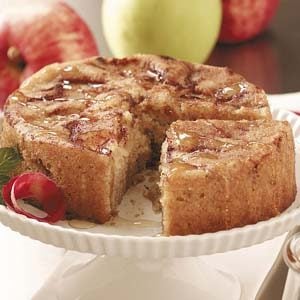
Secrets to a Moist Apple Honey Cake: Why Roasting Apples Matters
There are few aromas as comforting and inviting as a freshly baked
apple cinnamon honey cake. The mere thought conjures images of crisp autumn days, cozy gatherings, and the sweet promise of a delicious dessert. While many recipes promise a delightful experience, have you ever wondered what truly separates a good apple cake from an extraordinary one? The secret, as seasoned bakers will attest, often lies not just in the ingredients, but in the intelligent preparation of those ingredients. Specifically, when it comes to apples, the seemingly simple act of roasting them before they ever meet your batter can transform your cake from merely pleasant to profoundly moist, flavorful, and utterly irresistible.
This isn't just a clever baking hack; it's a fundamental technique that addresses common challenges in fruit-laden cakes. Let's delve into why this step is a game-changer for achieving that coveted tender crumb and intensely fruity flavor in your next
apple cinnamon honey cake. For a deeper dive into crafting this seasonal masterpiece, you might also enjoy reading our
Apple Cinnamon Honey Cake: Your Essential Fall Dessert Guide.
The Transformative Power of Roasted Apples: Moisture, Flavor, and Texture
Imagine biting into an
apple cinnamon honey cake where every apple piece is soft, caramelized, and bursts with concentrated flavor, seamlessly integrated into a plush, moist crumb. This ideal scenario is precisely what roasting your apples achieves.
Unlocking Unparalleled Moisture
One of the biggest culprits behind a dense, gummy, or dry fruit cake is the inherent water content of fresh fruit. Raw apples, when introduced directly into a cake batter, release their moisture during the baking process. This uncontrolled release can disrupt the delicate balance of ingredients, leading to several undesirable outcomes:
- Soggy Spots: Pockets of excess moisture can make parts of your cake unpleasantly wet.
- Dense Texture: The extra liquid can inhibit the cake from rising properly, resulting in a heavy, brick-like texture.
- Chewiness: Paradoxically, the rapid release of water can sometimes lead to apple pieces that are tough or chewy rather than tender.
Roasting apples before they go into the batter mitigates these issues entirely. The heat of the oven gently draws out much of the excess liquid, allowing it to evaporate *before* the apples interact with your cake. What remains are apples with a concentrated flavor profile and a reduced water content that won't overwhelm your batter. This pre-treatment ensures your cake stays beautifully moist, light, and tender.
Intensifying Flavor and Sweetness
Beyond moisture management, roasting performs a culinary miracle on the apples themselves. Just like roasting vegetables brings out their best, roasting fruit elevates its natural sugars and flavors:
- Caramelization: The natural sugars in apples caramelize under high heat, creating complex, richer flavor notes that raw apples simply can't offer. This process also enhances their inherent sweetness without needing additional sugar.
- Concentration: As water evaporates, the apple's flavor compounds become more concentrated. This means every bite with an apple piece delivers a more intense, "apple-y" essence, perfectly complementing the cinnamon and honey in your cake.
- Maillard Reaction: This chemical reaction between amino acids and reducing sugars gives roasted foods their distinctive browned color and complex flavor. On apples, it translates to deeper, more nuanced notes that add incredible depth to your cake.
The difference between an
apple cinnamon honey cake made with raw apples and one with roasted apples is akin to comparing fresh apple juice to a rich apple cider reduction – both are good, but one offers a profoundly more intense and satisfying experience.
Achieving the Perfect Texture
No one wants rubbery apple chunks in their soft cake. Roasting tenderizes the apples, ensuring they become lusciously soft and almost melt into the cake, rather than standing out as firm, unyielding pieces. This creates a cohesive texture throughout the cake, where the tender crumb and soft fruit bits work in harmony. The result is a cake with a spongy texture, studded with delightful pockets of sweet, spiced apple that enhance every mouthful.
Crafting the Perfect Apple Cinnamon Honey Cake: Key Ingredients and Techniques
While roasted apples are undeniably the star, building a truly exceptional
apple cinnamon honey cake involves a symphony of thoughtfully chosen ingredients and mindful techniques.
The Sweet Embrace of Honey
Honey is not merely a sweetener in this cake; it's a cornerstone of its identity and plays a crucial role in its texture and longevity. Traditional for Jewish holidays like Rosh Hashanah, where it symbolizes a sweet new year, honey also brings unique properties to baking. It's a natural humectant, meaning it attracts and retains moisture, contributing significantly to the cake's moistness and helping it stay fresh for longer. This makes it an ideal choice for a cake that, remarkably, often tastes even better the day after it's baked! For those celebrating, exploring
Rosh Hashanah Apple Honey Cake: Sweet Traditions for a New Year provides additional context and recipes.
Aromatic Spices and Flavor Enhancers
Cinnamon is a non-negotiable partner to apples and honey, but don't shy away from other warm spices like nutmeg and a hint of cardamom. These spices create a fragrant, comforting profile that perfectly complements the sweetness of the honey and the richness of the apples.
Beyond spices, a clever trick to enhance the cake's texture is the addition of
apple cider vinegar. This isn't for flavor; rather, it interacts with baking soda to create more air bubbles, resulting in a lighter, fluffier crumb. It's a subtle yet impactful touch that elevates the cake's overall texture.
Choosing Your Apples Wisely
The type of apple you select also makes a difference. For baking, you want firm apples that hold their shape and offer a good balance of sweet and tart. Varieties like Honeycrisp, Granny Smith, Braeburn, Fuji, or Gala are excellent choices. Avoid overly soft or mealy apples, as they can turn to mush during baking, even after roasting.
Building the Batter
Whether you opt for a light butter cake base or an oil-based recipe (which, in the context of Jewish dietary laws, makes it pareve, meaning it contains neither meat nor dairy ingredients), the batter should be light and airy. The key is often in creaming fats and sugars properly and then gently folding in the dry ingredients to avoid overmixing, which can lead to a tough cake. The roasted apples are then folded in, distributing their concentrated goodness throughout.
A Taste of Comfort and Celebration: Why This Cake Resonates
The
apple cinnamon honey cake is more than just a dessert; it’s a symbol. It embodies the cozy embrace of autumn, the warmth of home baking, and for many, the rich tapestry of tradition. Whether it's the centerpiece of a holiday celebration like Rosh Hashanah, offering hopes for a sweet new year, or simply a weekend treat to enjoy with a cup of coffee, its appeal is universal.
Its simple, homey charm belies the incredible depth of flavor it delivers. A slice, perhaps warmed slightly and served with a scoop of vanilla ice cream or a drizzle of cinnamon glaze, is pure bliss. It’s a dessert that speaks of comfort, memory, and the joy of shared moments, making it a perennial favorite that continues to delight generation after generation.
Tips for Perfecting Your Apple Cinnamon Honey Cake
To ensure your roasted apple journey to cake perfection is smooth, consider these practical tips:
- Cut Apples Uniformly: For even roasting and baking, cut your apple pieces into roughly similar sizes (about ½-inch to ¾-inch cubes).
- Don't Overcrowd the Pan: When roasting, spread the apple pieces in a single layer on a baking sheet. Overcrowding will steam them instead of roasting, preventing caramelization.
- Cool the Roasted Apples: Allow the roasted apples to cool slightly before folding them into your cake batter. This prevents them from melting the butter or cooking the eggs prematurely.
- Patience with Cooling: Resist the urge to slice into your cake immediately after it comes out of the oven. Letting it cool completely (or almost completely) in the pan and then on a wire rack allows the crumb to set and flavors to meld, resulting in a much better texture and taste.
- Make Ahead: This cake actually improves with age! Bake it a day ahead, cover it tightly, and let the flavors deepen. It's perfect for entertaining.
Conclusion
The quest for the ultimate moist and flavorful
apple cinnamon honey cake truly culminates in understanding the pivotal role of roasted apples. This simple yet profound technique transforms the fruit, concentrating its sweetness, intensifying its flavor, and ensuring a tender, moist crumb that will elevate your baking to new heights. Paired with the rich notes of honey and warm spices, and perhaps a secret splash of apple cider vinegar, this cake offers a delightful experience that's both deeply comforting and elegantly festive. So, next time you plan to bake this autumnal classic, remember the power of the roast – your taste buds, and your guests, will thank you for it.